
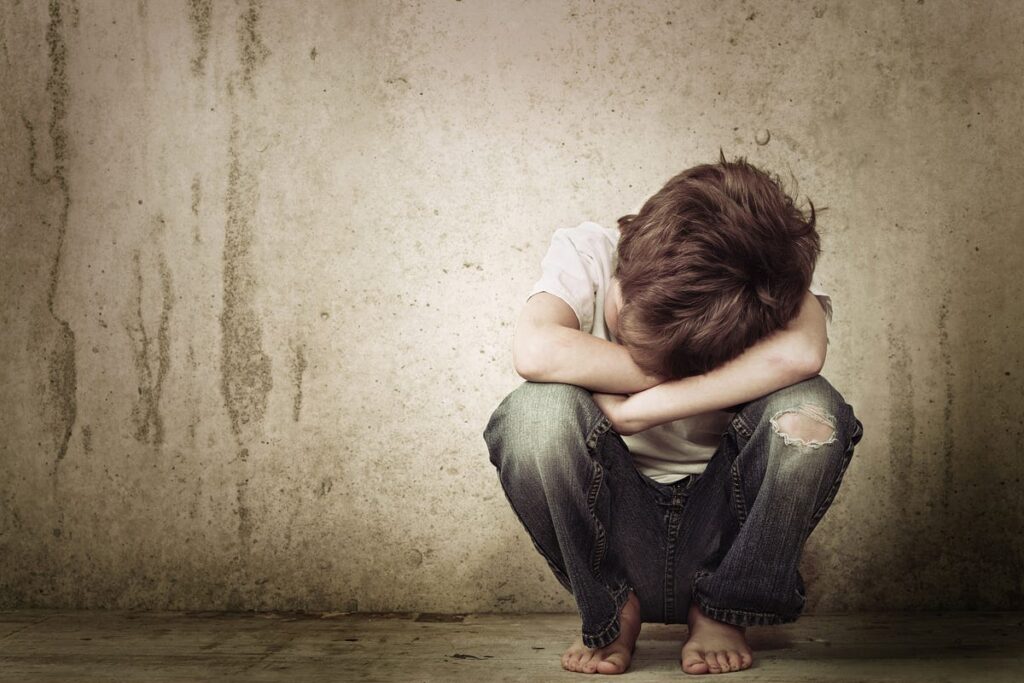
Childhood experiences shape far more than memories. They influence how people communicate, trust, react to conflict, and form emotional connections later in life. While happy childhood memories can build confidence and security, painful experiences often leave emotional wounds that continue affecting adulthood in quiet but powerful ways. Many adults struggle with anxiety, fear of abandonment, emotional distance, or low self-worth without fully realizing how deeply those feelings are connected to unresolved childhood trauma. Emotional pain experienced during formative years often becomes part of a person’s inner belief system, shaping how they see both themselves and the world around them.
In Mending Chapters of My Heart, the author reflects on painful childhood experiences that created fear, emotional isolation, and long-lasting emotional scars. These kinds of experiences are not uncommon. Many people silently carry emotional wounds from childhood into adulthood without ever learning how to heal from them. Understanding the connection between childhood trauma and adult emotional health is an important step toward healing and personal growth.
What Childhood Trauma Really Means
Childhood trauma is not limited to extreme situations alone. While abuse and neglect are common examples, emotional trauma can also develop from constant criticism, emotional abandonment, unstable environments, exposure to addiction, loss, or growing up in fear. Children are emotionally vulnerable because they are still learning how to understand the world around them. When safety, love, or emotional support are repeatedly missing, the child’s mind adapts to survive emotionally.
These survival responses may protect the child temporarily, but they often create long-term emotional patterns that continue into adult life. Some children become emotionally guarded. Others constantly seek approval. Some struggle with trust, while others develop intense fear of rejection or abandonment. The emotional environment a child grows up in often becomes the emotional language they carry into adulthood.
How Trauma Affects Adult Relationships
One of the most noticeable effects of childhood trauma appears in relationships. Adults who experienced emotional pain early in life often struggle to feel emotionally safe with others. This may appear in different ways: difficulty trusting people, fear of vulnerability, emotional withdrawal during conflict, anxiety about being abandoned, constant need for reassurance, and avoidance of emotional intimacy.
For some people, love feels unfamiliar because chaos was normalized during childhood. Healthy relationships may even feel uncomfortable at first because emotional stability is something they never experienced consistently growing up. Others may unknowingly recreate unhealthy relationship patterns because emotional pain feels familiar. This does not mean they want toxic relationships. It means unresolved trauma often influences emotional behavior without conscious awareness.
The Link Between Trauma and Self-Worth
Children naturally absorb messages from their environment. When they grow up around criticism, neglect, emotional rejection, or instability, they often begin blaming themselves for the pain around them. Over time, these experiences can create deeply rooted beliefs such as I am not good enough, I am hard to love, People always leave, and My feelings do not matter.
These internal beliefs often continue into adulthood, affecting confidence, relationships, and emotional health. Even successful adults may quietly battle feelings of insecurity caused by unresolved childhood experiences. Emotional wounds do not always disappear simply because someone grows older. Healing requires identifying those false beliefs and learning to replace them with healthier emotional truths.
Why Emotional Triggers Happen
Many adults become frustrated with themselves when they react emotionally to certain situations. Small disagreements, criticism, or feelings of rejection may trigger unexpectedly intense emotional responses. These reactions are often connected to unresolved emotional pain from earlier life experiences.
The brain remembers emotional danger even when the conscious mind tries to move on. Situations that resemble past emotional pain can activate fear, anxiety, anger, or sadness automatically. This is why emotional healing involves more than simply forgetting the past. Healing requires understanding emotional triggers and learning healthier ways to respond to them. Awareness creates the possibility for change.
Final Thoughts
Childhood trauma leaves emotional fingerprints that often follow people into adulthood. The fear, insecurity, and emotional struggles many adults carry today are sometimes rooted in painful experiences from years earlier. But the past does not have to define the future.
Emotional healing allows people to break unhealthy patterns, rebuild self-worth, and create healthier relationships. The process may take time, but healing begins the moment someone realizes their pain deserves attention, compassion, and understanding. The experiences that wounded you may always remain part of your story, but they do not have to control the person you become. And sometimes, the strongest form of resilience is choosing to heal from the pain you never deserved in the first place.